Steering Into the Skid: How Acknowledging Grief Keeps You On the Road
Growing up in Alberta, I drove a rear-wheel-drive Chevy pickup truck as a teenager. I learned a brutal lesson about driving on icy roads the very first day I owned that truck—when I hit a patch of black ice and put the vehicle straight into the ditch, with my mother sitting in the passenger seat beside me.
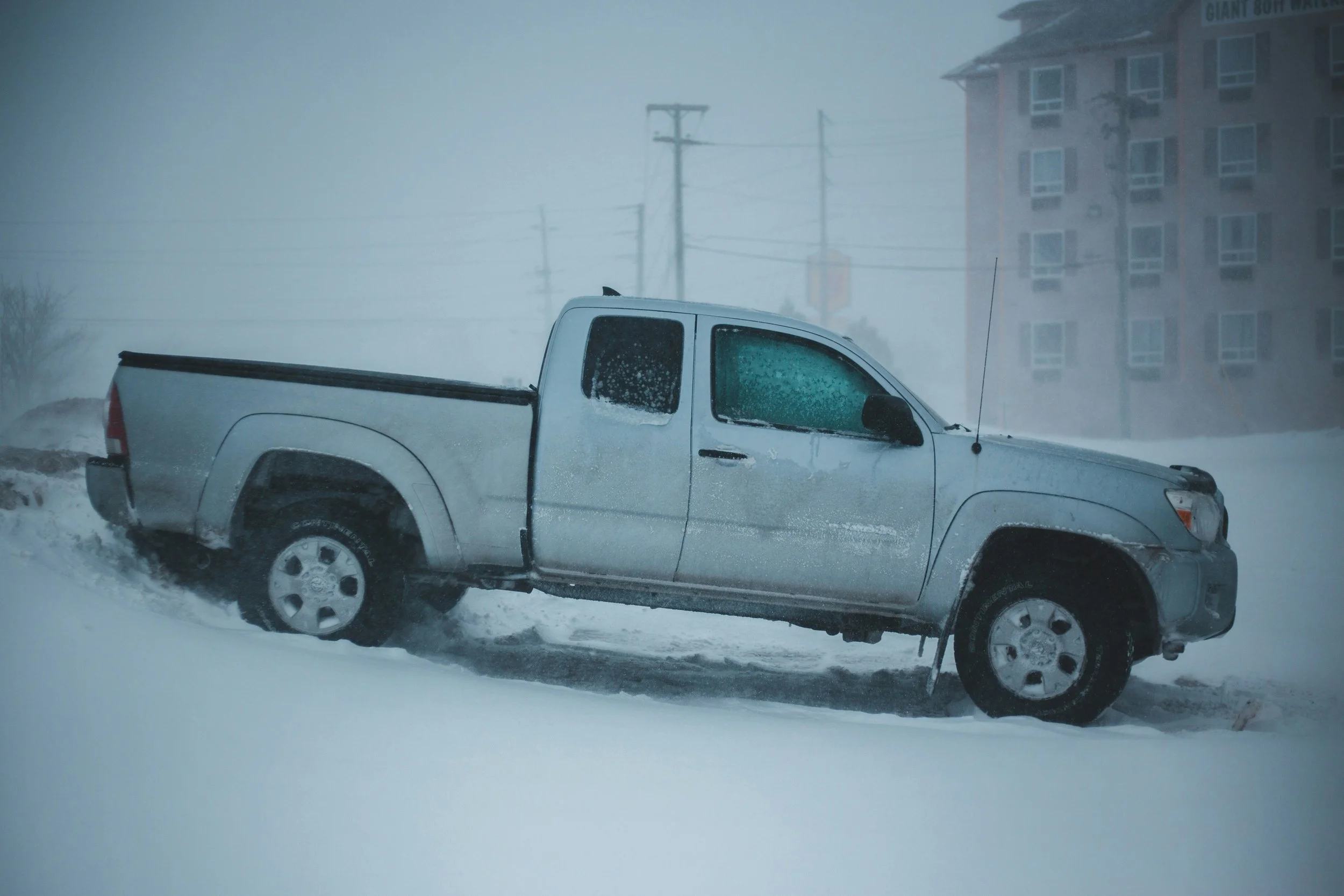
In that moment of panic, my instinct was to stomp on the brake and violently steer away from the skid. That reaction is precisely what sent us off the road.
I quickly learned what every winter driver eventually discovers: when you lose traction, you have to take your foot off the gas, resist the urge to slam the brakes, and steer into the skid.
Decades later, I see men handle deep personal loss and psychological trauma using that same dangerous initial instinct.
Take "Derek," a 41-year-old managing partner in Victoria. A year ago, Derek lost his mother after a sudden, harrowing illness. She had been his anchor, but instead of processing the grief, Derek immediately went into crisis-response mode. He handled the funeral arrangements, managed her estate, executed the legal paperwork, and threw himself back into 60-hour work weeks.
Whenever the heavy, suffocating reality of her absence caught up to him, Derek stomped on his emotional brakes. He buried himself in tasks, drank a little more in the evenings, and steered as far away from his feelings as humanly possible.
By the time he sat in my office, Derek was burnt out, emotionally numb, and constantly on the edge of anger. He was spinning out, entirely trapped in the ditch.
The Instinct to Panic vs. The Courage to Lean In
When a man experiences a massive traumatic event—like the death of a parent—his default conditioning kicks in:
Stomping the Brake: Trying to immediately "fix" the pain through relentless activity, distraction, or rigid control.
Steering Away from the Skid: Actively avoiding the emotional pain, refusing to speak about the loss, and putting up walls to stay "strong."
It’s an understandable survival reaction, but running from emotional momentum only guarantees that you lose control.
To stay on the road, you have to counter your immediate reflexes. You have to learn how to steer into the skid.
Navigating the Ice
For Derek, finding his footing again required a complete shift in how he responded to his grief:
Take Your Foot Off the Gas (Acknowledge What Happened): Stop trying to outrun the pain through productivity and busyness. Give yourself permission to pause, breathe, and accept the reality that a major, life-altering event has occurred.
Steer Into the Skid (Address the Feelings Directly): Instead of fighting the wave of sadness, anger, or emptiness when it hits, lean into it. Allow yourself to feel the weight of the loss without judgment. Speak about your mother, acknowledge how much you miss her, and let the emotion move through you.
Steering into the skid feels counterintuitive and terrifying in the moment, but it is the only way to regain traction and keep moving forward.
Guiding Men Through Loss and Transition in Victoria, BC
I am Jason Scriven, and I offer confidential, goal-oriented support for men navigating grief, traumatic loss, and high-stress life transitions. I help men build practical frameworks to process complex emotions with strength and clarity.
Services for navigating grief and personal upheaval:
Individual Support: Practical tools to process loss without resorting to emotional avoidance.
Transition Coaching: Helping men rebuild their sense of identity after major life disruptions.
Actionable Strategies: Moving past panic responses toward sustainable emotional resilience.
Contact me today to schedule a confidential consultation and start navigating your path forward.