
Men’s Counselling Blog
Every week, I write about what I am learning in this practice about:
Relationships * Careers * Fatherhood * Trauma
To receive the latest post every Saturday, subscribe to my newsletter

Why Am I Sticking It Out?
Fear of change is what keeps people married longer than is good for either one of them.
Consider a couple that has been married for 20 years and living as roommates (code for no intimacy) for the last 10. Neither one of them is happy. But they are comfortable in their life and routine.
In a previous generation, they likely would stick it out and settle for a life of companionship.
Being the Divorced Guy in a Basement Suite is a Real Kick in the Balls
Everyday I sit with clients who are dealing with loss.
Loss of a parent or a grandparent who was influential in our lives. The end of a career, whether by retirement, getting laid off, or circumstances outside our control. The end of a relationship through a break up, separation, divorce, or the kids leaving home.
In each situation, men are forced to examine how their identity is changing, and it's uncomfortable.
Divorced Men Are Lonelier than Divorced Women
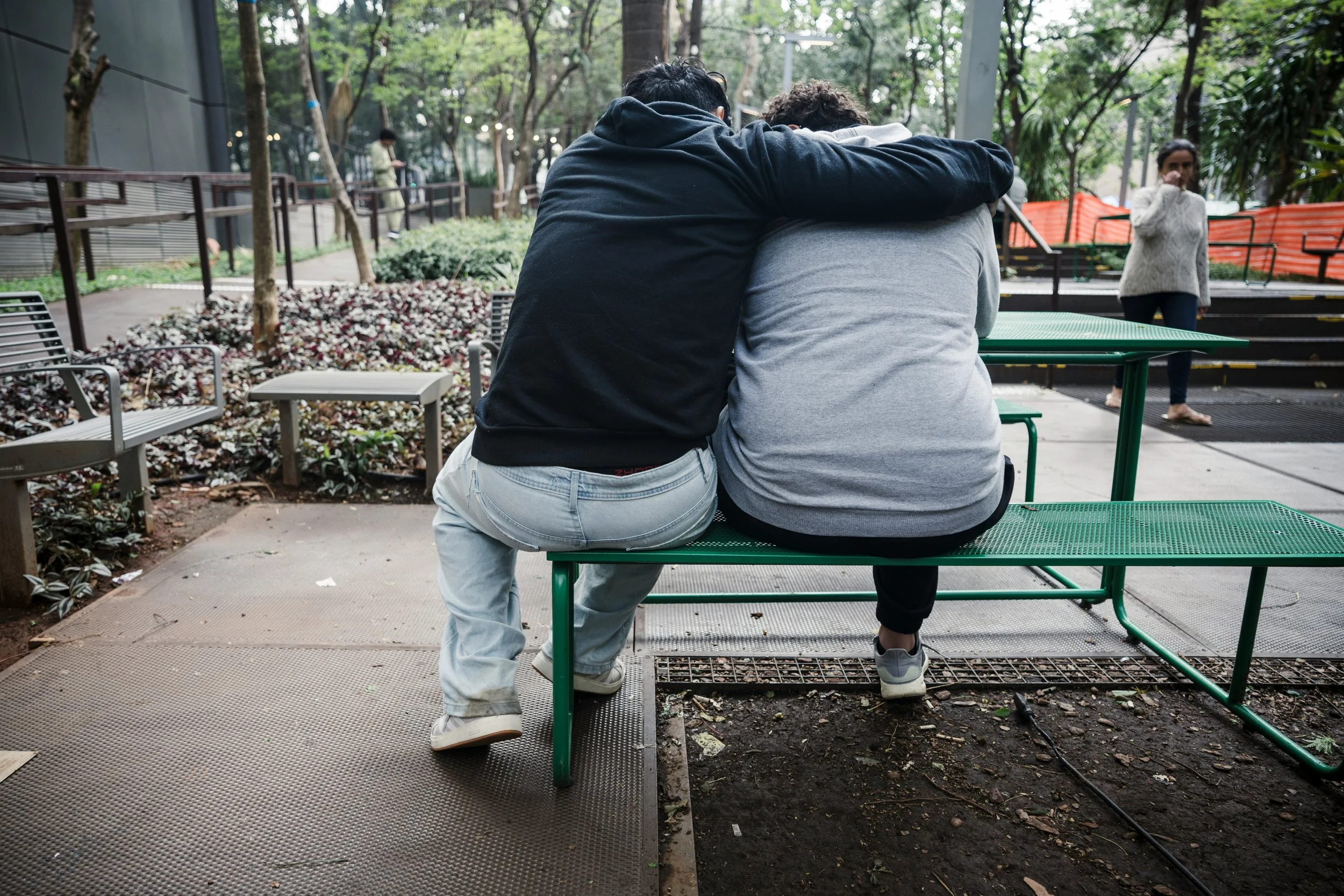
“It is not necessarily that men are lonelier than women, it is that they disproportionately require romance with women to feel seen. Especially after having experienced a romantic relationship with a woman, single men feel unseen. They feel emotionally undigested. Feeling invisible can feel a lot like being unloved.”

If You Don't Take the Lead, No One Will
The most common scenario I see in my practice is two people who love each other, yet have lived as roommates for years. They co-manage the kids, coordinate the calendar, split the chores, and navigate the relentless demands of work. But under the surface, they are completely disconnected.
When a man realizes he is caught in this quiet drift, the immediate question is always: Where do I even start?
The answer is simple, even if the work is hard: If you don't take the lead, no one will.

I Have No Idea What I Want
When a man sits across from me in the throes of divorce, or after selling his company, suddenly no longer needed at work or at home, he realizes he's spent a lifetime ignoring what he actually wants.
He built his entire identity around being needed by others and never asked: What do I want? What makes me feel alive?

Power To vs. Power Over
Power to is much better than power over.
But most men don't know the difference. And that confusion is creating a painful double bind.
Our relationship to power depends on whether we're wielding it or experiencing it. For men, power can feel like both a birthright and a trap. Society tells us to be powerful, to take charge, to be in control. But the same society condemns us when we use that power in ways that feel controlling, dominating, or oppressive.
So we try to do the right thing. We rein it in. We make ourselves smaller. We go along to get along. We downplay our opinions, soften our presence, apologize for taking up space. We try to be less intimidating, less domineering, less of what we're afraid others see when they see a man with power.
We trade one problem for another—from potentially abusing power to abandoning it altogether.
The question haunts us: How can I be strong without alienating the people I care about?
The balance feels elusive, and the fear of getting it wrong keeps us playing small.

Call People Up, Not Out: The Power of Responding to Mistakes with Grace
We've all been there. You screwed up, you knew it, and you felt terrible about it.
The mistake itself is painful enough. You're already replaying it in your mind, beating yourself up, feeling the weight of disappointment and shame. You don't need anyone to tell you that you messed up—you're acutely aware.
And then someone calls you out. Having our worst moment highlighted and used against us. Being defined by our failure rather than given space to grow from it.

You're No Picnic: Why Being a "Good Man" Isn't Working
Let's be honest: You're no picnic.
Neither am I. Neither is anyone.
But here's the thing—we never see it that way, do we? We are the protagonist doing our best in a world full of difficult people who just don't understand us.
And from your point of view? You're absolutely right.
And yet.

The Masks We Wear: Freedom from Being "Fine"
You've built an impressive life. From the outside, everything looks successful. You have the career, the family, the life that everyone said you should want. People see you as someone who has it all together.
But inside? You're exhausted from performing.
Every morning, you put on the mask.